The Art and Science of Potent Cannabis Extracts: What Every Enthusiast Should Know
@potentcannabisextractslab
October 11, 2026 · 7 min read
After years of working with cannabis concentrates, I have come to appreciate just how much variety hides behind the word "extract." A jar of hash from the bazaar and a gram of live resin from a climate-controlled lab are both extracts, but they live in completely different worlds. The difference comes down to one thing: how much of the plant's active chemistry you manage to capture. That is where the conversation around potent cannabis extracts really begins.
Not all extracts are created equal, and the ones that earn the label "potent" are the result of careful choices in starting material, extraction method, and post-processing. Whether you are a seasoned consumer or a curious newcomer, understanding what makes an extract truly strong will help you pick the right product for your needs and avoid wasting money on jars that promise more than they deliver.
The Baseline: What Makes an Extract Potent?
Potency in cannabis extracts is primarily about concentration. A well-made extract contains far more cannabinoids and terpenes per gram than the flower it came from. Where a premium bud might test at 20, 25% THCa, a decent concentrate can easily hit 60, 80% THCa. The best potent cannabis extracts push even higher, sometimes exceeding 90% total cannabinoids. But THCa is only part of the story. The entourage effect, the synergy between cannabinoids, terpenes, and other minor compounds, is what determines the actual experience. A high-THCa extract that has been stripped of its terpenes will feel flat and one-dimensional. A slightly lower-THCa extract that retains a full spectrum of compounds can be far more satisfying.
Solvent Extraction vs. Solventless Extraction
The method used to separate the trichomes from the plant material has a huge impact on the final product. There are two broad categories: solvent extraction and solventless extraction. Each has its fans, and each produces a different kind of concentrate.
Solvent extraction uses a chemical solvent, typically butane or ethanol, to dissolve the cannabinoids and terpenes from the plant matter. The solvent is then evaporated, leaving behind an oil-like concentrate. BHO, or butane hash oil, is a classic example. It is inexpensive to produce and can yield very high potency numbers, but the process is less selective. Some residual solvent can remain, and the delicate terpene profile often suffers. CO2 extraction is a more refined version of solvent extraction. It uses pressurized carbon dioxide as the solvent, which leaves virtually no residue and does a better job preserving the plant's volatile compounds. CO2 extracts are cleaner and more flavorful, but they cost more to make.
Solventless extraction, on the other hand, relies on physical separation. Ice water extraction, heat and pressure, or simple mechanical agitation are used to knock the trichomes off the plant. The result is a product that contains nothing but the resin glands themselves. No chemicals, no residues, just pure cannabis material. Live resin is a prime example. It is made from freshly harvested plants that have been frozen immediately, preserving the full terpene profile. The result is an extract that smells and tastes almost identical to the living plant. Many connoisseurs consider live resin the gold standard for flavor. Shatter and budder are also solventless concentrates, though they are created through different post-extraction processes. Shatter is a glass-like, translucent extract that results from careful heat and pressure application. Budder, as the name suggests, has a soft, buttery consistency achieved by whipping the extract during the curing process.
Hash: The Original Concentrate
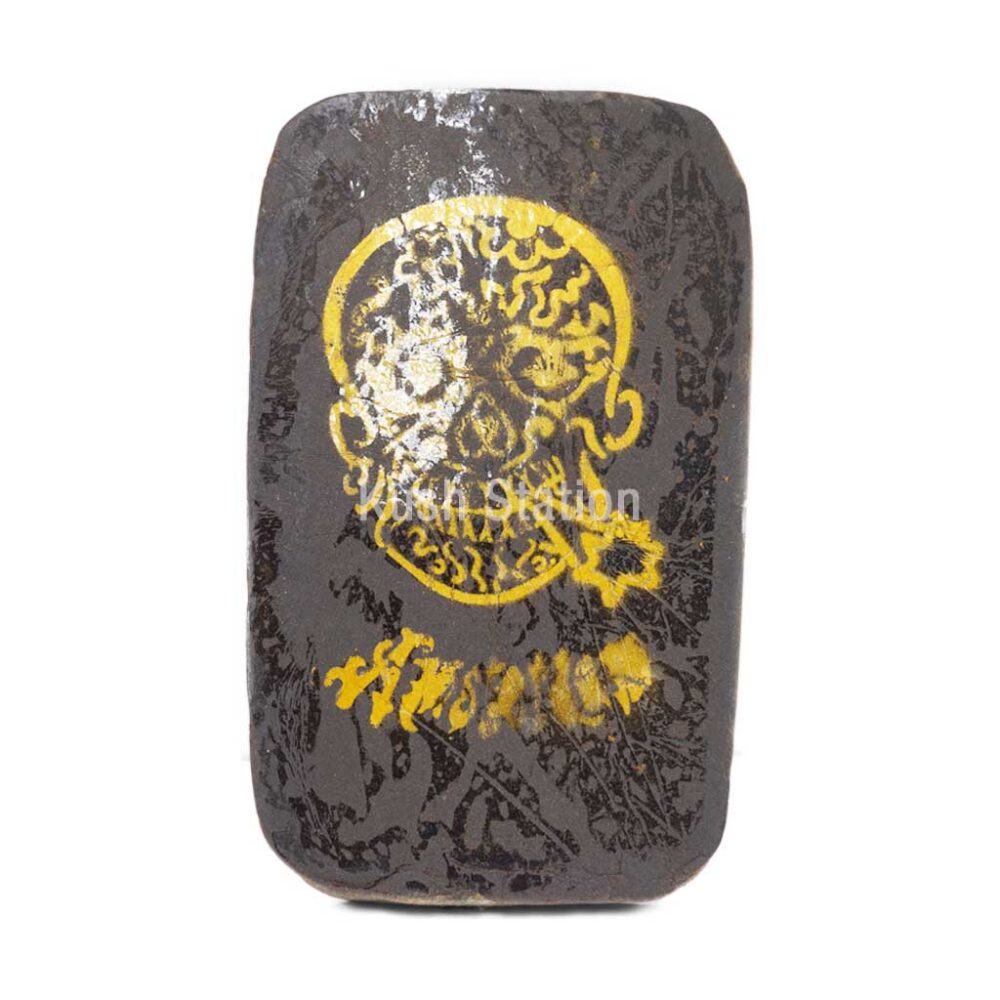
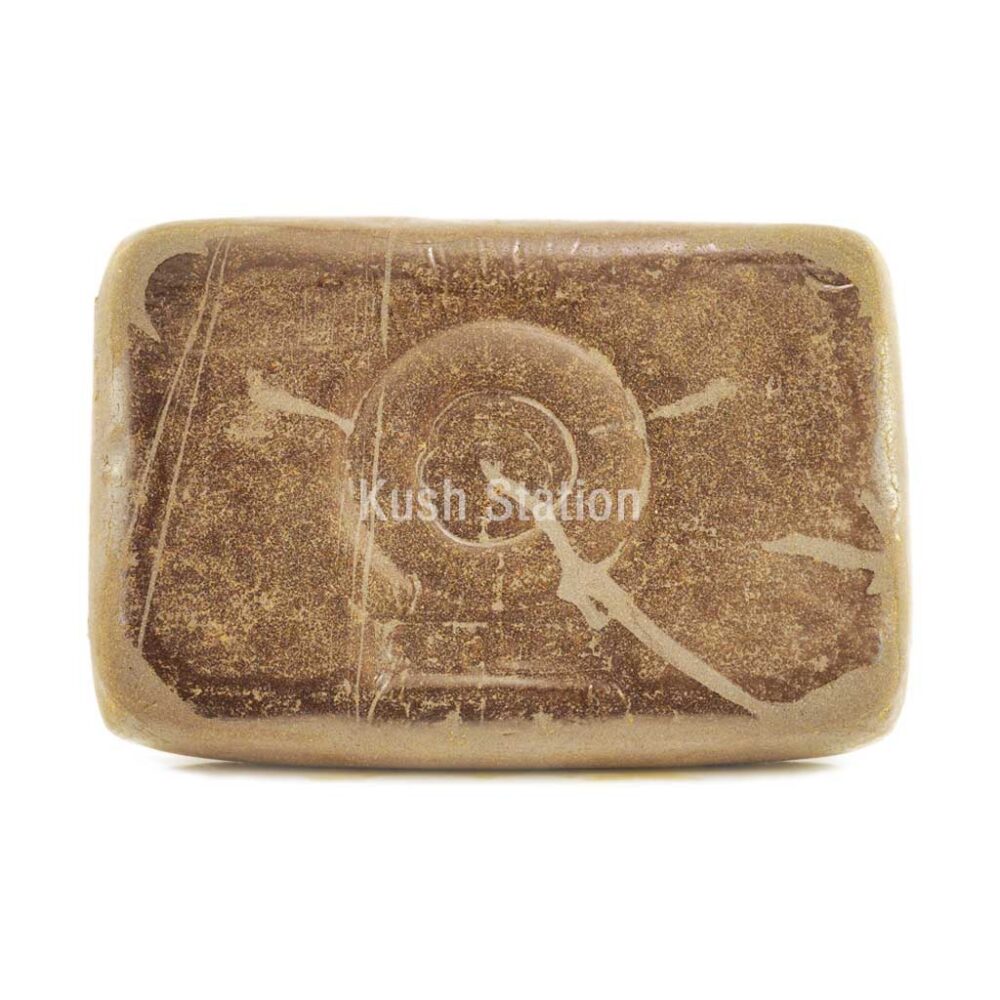
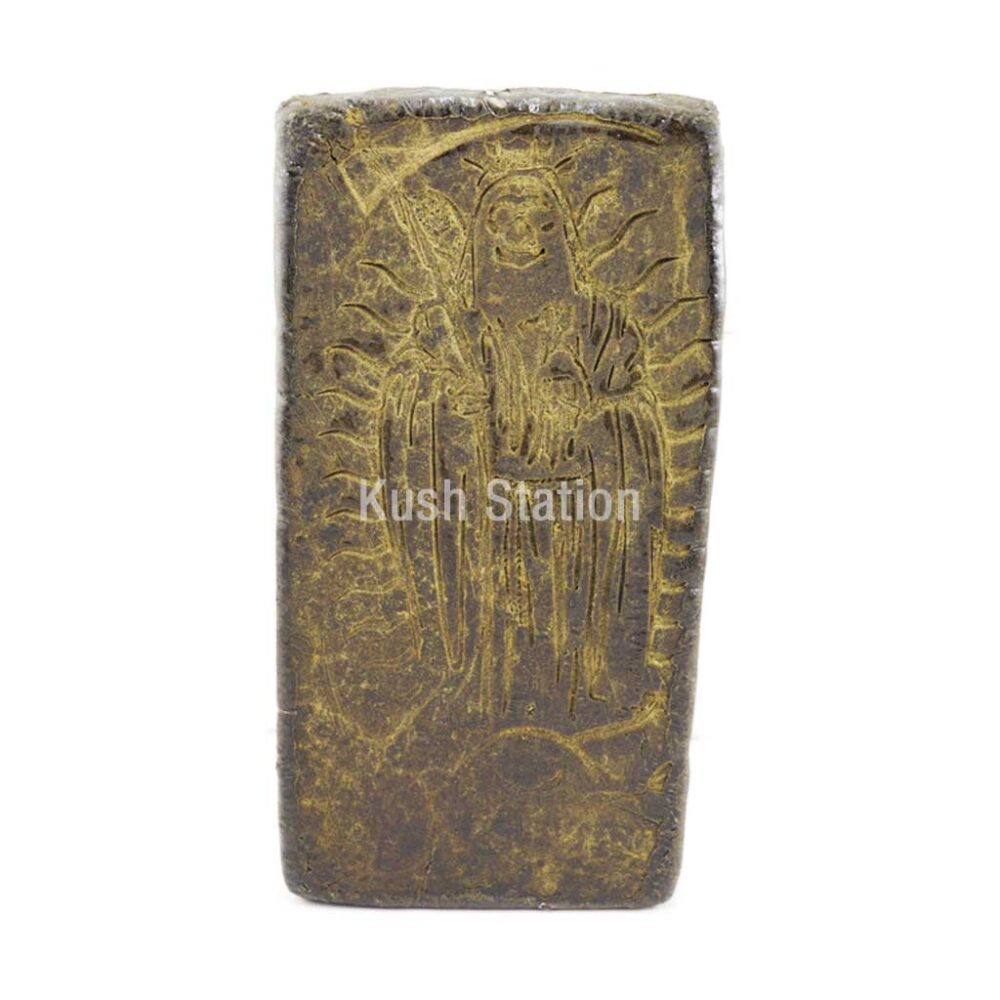
Hash is the oldest cannabis extract, and it remains one of the most versatile. Traditional hand-rolled hash from Morocco or Nepal is made by rubbing live plants and collecting the resin that sticks to the hands. Modern hash is usually produced using sieves or ice water. The quality varies enormously depending on the starting material and the skill of the maker. A well-made hash can be just as potent as any modern extract, with a complex, earthy flavor profile that many people love. Because hash is a whole-resin product, it tends to have a more balanced cannabinoid profile, including higher levels of minor cannabinoids like CBG and CBC. This can produce a more rounded, longer-lasting effect compared to isolates.
Terpenes and the Experience
Terpenes are the aromatic compounds that give each cannabis strain its unique scent and flavor. They also play a role in how the extract feels. Myrcene, for example, is a sedating terpene commonly found in Indica strains. Limonene and pinene are more uplifting and are associated with Sativa effects. When an extract is strain-specific, meaning it is made from a single cultivar, the terpene profile is preserved and the experience is more predictable. A well-made live resin from a specific Indica strain will have a distinct aroma and a calming effect that is different from a Sativa live resin. The entourage effect means that these terpenes are not just flavor additives. They modulate how the cannabinoids interact with your endocannabinoid system. An extract that has been stripped of its terpenes during processing will lose a lot of its character.
Cold Cure vs. Heat Cure
After extraction, the concentrate must be cured to reach its final form. The curing process affects both the texture and the flavor. Cold cure involves storing the extract at low temperatures, often in a refrigerator, for several weeks. This preserves the volatile terpenes and results in a product that is more aromatic and flavorful. Heat cure, on the other hand, uses gentle warmth to drive off moisture and convert THCa into its active form, delta-9-THC. Heat-cured extracts tend to be more potent in terms of psychoactive effect, but they lose some of the delicate flavor compounds. Many producers use a combination of both methods. They might cold cure first to lock in the terpenes, then apply a short heat cure to activate the THCa. The choice depends on the desired outcome. For flavor chasers, cold cure is usually the way to go. For maximum psychoactive punch, heat cure can deliver a stronger experience.
How to Use Potent Cannabis Extracts
Because concentrates are so concentrated, they require different equipment than flower. The most common tool is a dab rig, which is essentially a water pipe designed for vaporizing extracts. The user heats a nail, usually made of quartz, titanium, or ceramic, to a specific temperature, then places a small amount of extract on the nail. The vapor is inhaled through the rig. Temperature control is critical. Too hot, and you will destroy the terpenes and produce a harsh, burnt taste. Too cool, and the extract will not vaporize completely. E-nails, or electronic nails, solve this problem by maintaining a consistent temperature. A terp slurper is a specific type of quartz banger designed to hold the extract in a shallow dish, allowing it to vaporize more evenly and efficiently. For people who prefer a simpler setup, portable vaporizers designed for concentrates are widely available. They are convenient and discreet, though they rarely match the flavor of a well-heated dab rig.
The Importance of Potency Testing
With the rise of legal cannabis, potency testing has become standard practice for reputable producers. A certificate of analysis from a third-party lab tells you exactly how much THCa, CBD, and other cannabinoids are in the extract. It also screens for residual solvents, pesticides, and mold. When you are shopping for potent cannabis extracts, look for products that have been tested. A jar that claims 80% THCa but has no lab report to back it up is a red flag. Reputable brands are transparent about their testing. They understand that their customers value consistency and safety.
Strain-Specific Extracts and Terpene Profiles
One of the most exciting developments in the concentrate world is the move toward strain-specific products. Instead of blending multiple cultivars to hit a certain potency number, producers are now isolating the resin from a single strain and preserving its unique terpene profile. This allows consumers to choose an extract based on the effects and flavors they prefer, rather than buying a generic high-potency product. A strain-specific live resin from a Sativa like Green Crack will be bright, citrusy, and energizing. An Indica like Granddaddy Purple will produce a dark, grape-scented extract that is deeply relaxing. The entourage effect means that the combination of cannabinoids and terpenes in that specific strain produces a result that cannot be replicated by mixing isolates.
Final Thoughts on Choosing the Right Extract
There is no single best extract. The right choice depends on your priorities. If flavor is everything, go with live resin or a cold-cured hash. If you want maximum psychoactive potency, a heat-cured extract or a high-THCa isolate might be better. If you are concerned about purity, stick with solventless options like budder or shatter. And if you want a balanced, traditional experience, you cannot go wrong with a well-made hash. The world of potent cannabis extracts is deep and rewarding. The more you learn about the processes and the chemistry, the better equipped you will be to find products that truly satisfy.